Product Design Manager · 2018–2020 · Playscape
I built Playscape’s design department without stopping the client work.
I hired the team, set how we worked, and shipped design for clients and for our own products.
- My role
- Product Design Manager
- Clients
- 100+
- User Impacted
- 1M+ Users
The stakes
My job was to keep the department profitable.
Every week the same people had to design Playscape’s own products, serve the clients we already had, and win new ones. The UX had to be strong enough that a client would hire us again.
The key decision
I hired people who could learn on the job.
Juniors and students joined because they could learn the craft on a live client. A task template and a pricing calculator let them scope the work and deliver the UX.
The products
A client request became a product the company could grow.
With the CEO and the CTO, I looked for ways to grow what we offered. A proposal often included a UX solution the client had not asked for yet.
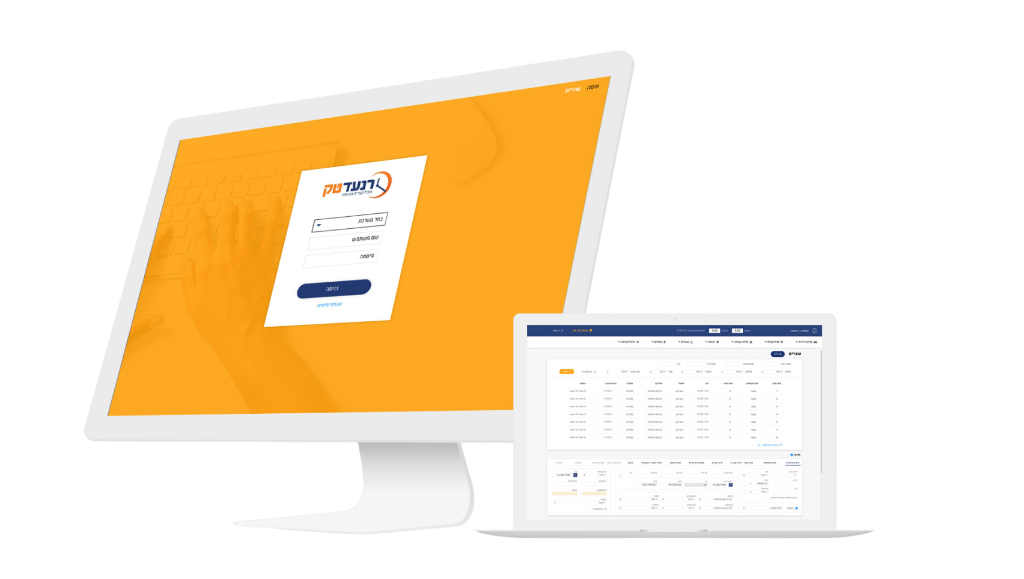
Clients kept asking for surveys, and for a way to train service conversations. With product and engineering, those requests became Squick and Milo. Squick was the survey system. Milo was a conversation simulator for call-center teams and service staff. Both were modular. An admin set what each client received, and we adapted the design to their language and their brand. The next client could buy the same product.
The design team was growing at the same time. A designer could take the next client without rebuilding the product. That is what let the company take on more work.
Proso did not come from that work. Playscape took it on in an acquisition, as a product for managers.
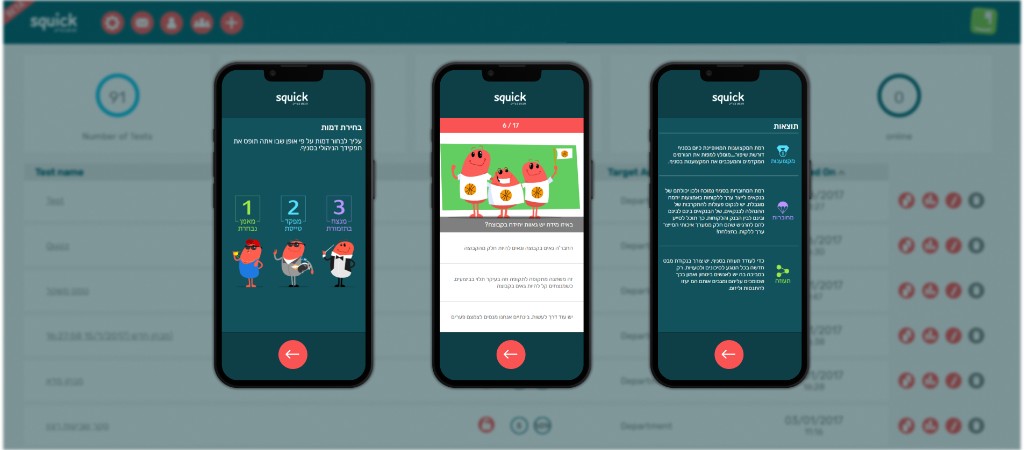
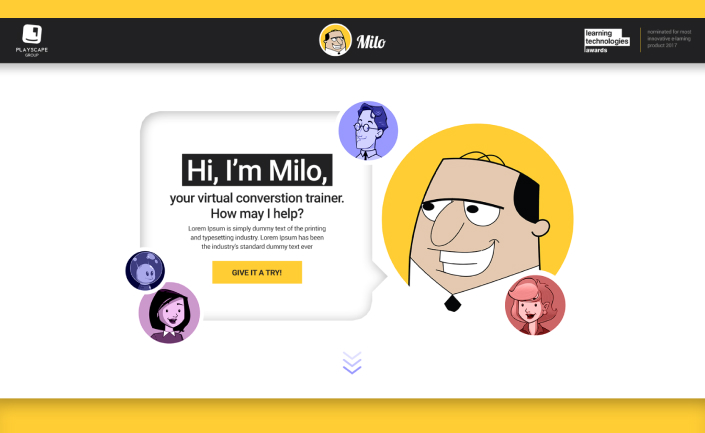
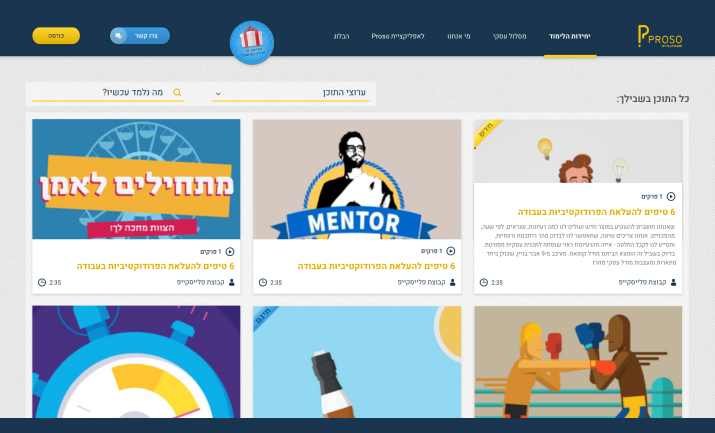
Milo trained the service conversation. Proso was a course library for managers, taken on in an acquisition.
The range
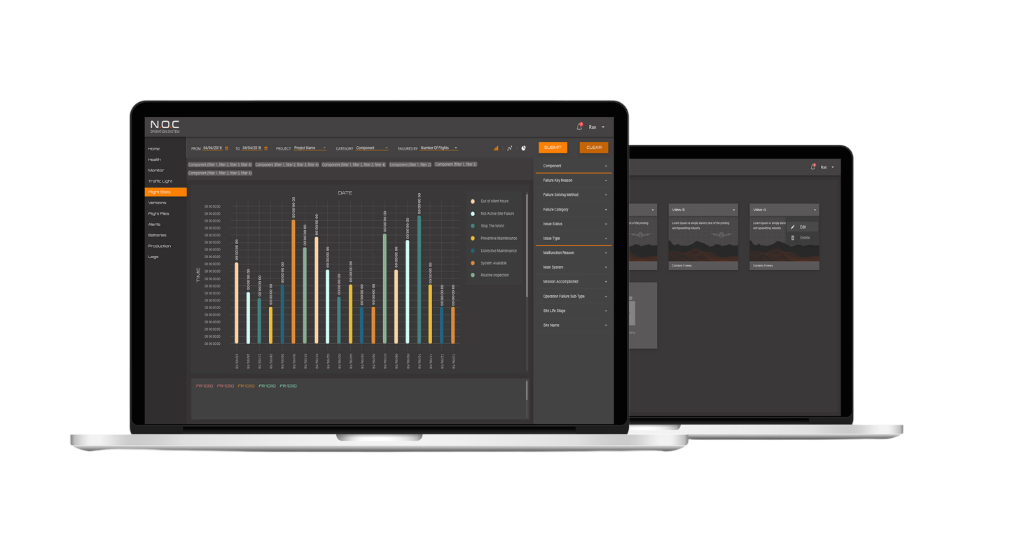
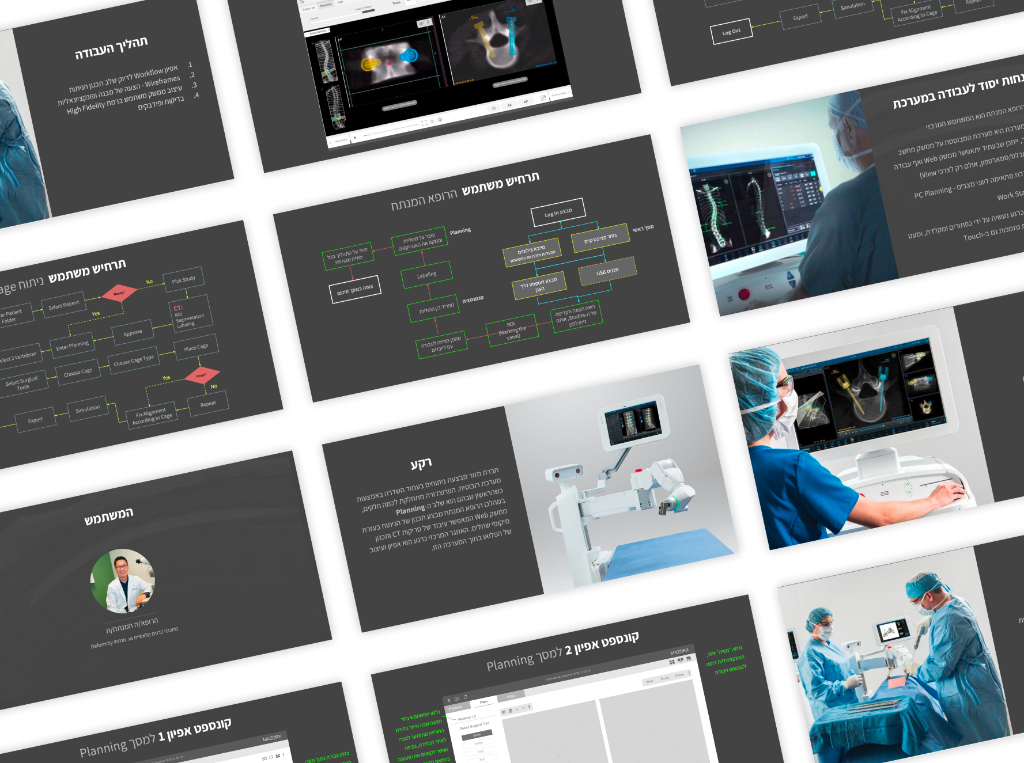
The work had to hold on a party app and a surgical planner.
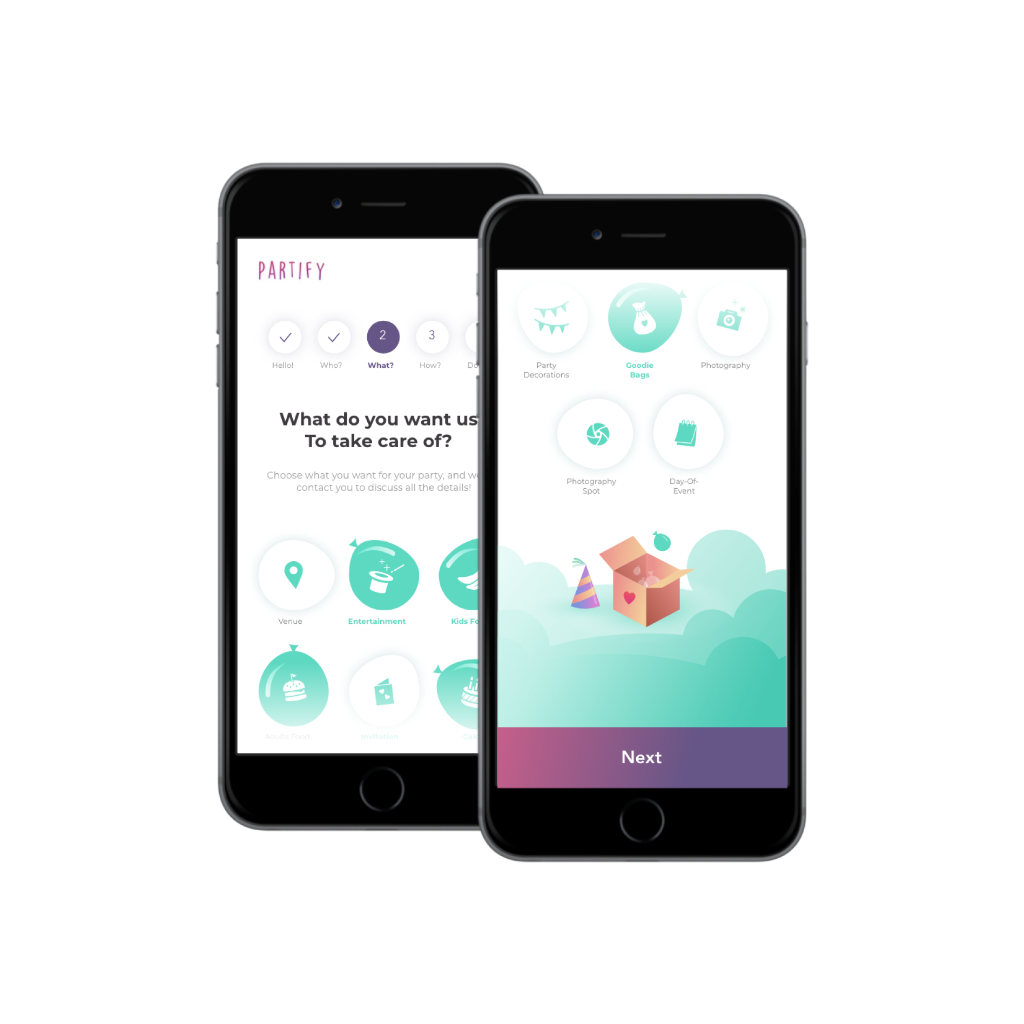
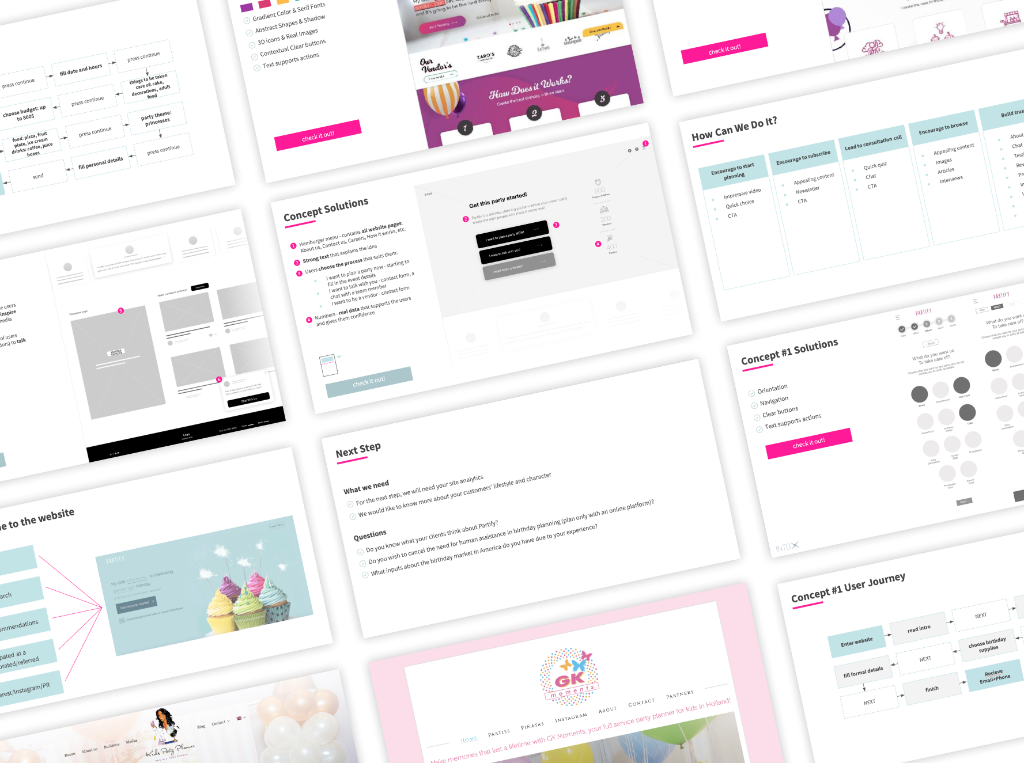
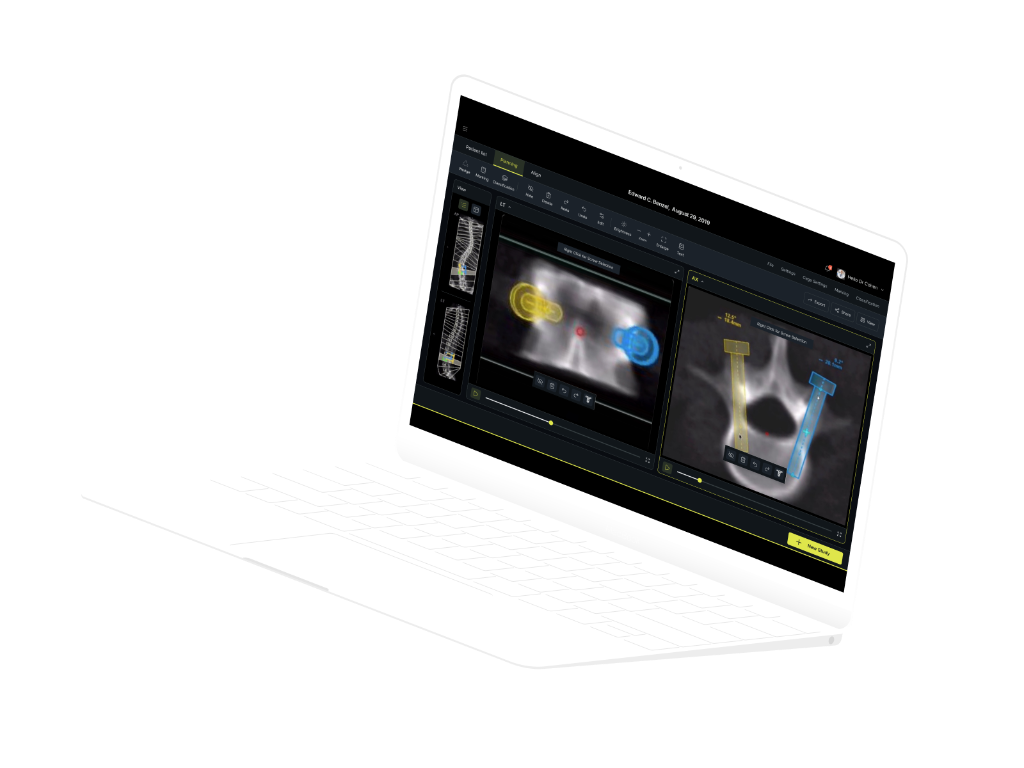
Partify asked what the party needed, on a phone. Mazorobotics showed the spine and the screw paths, on a laptop. On both, the flow came before the screen.
Partify

Mazorobotics
Outcome
- Designers
- 5
- Products
- 3
- Clients
- 100+
Five designers, hired onto one methodology. They were still starting with the problem, then the screen, after I left.
What stayed with me
I put a method in a junior’s hands on a live client. A task template and a pricing calculator took them from the brief to the scope and the UX. The flow came first. The screen came after.
Partify was a party checklist on a phone. Mazorobotics was screw paths on a spine scan. The method stayed the same. The next designer has to be able to run the work. The client has to want to pay for it again.